Complete Real Estate Services Guide for Long Beach

Your Long Beach Real Estate Guide — Clear, Local, Practical

Long Beach real estate can feel complicated whether you’re buying or selling. This guide breaks it down into clear steps and practical tips so you can make confident decisions. We cover what top agents do, the key stages of buying or selling, current market trends, and simple strategies to get the best outcome. If you’re new to the market or you’ve done this before, you’ll find local insight and actionable advice — plus why working with West BLVD Realty can make the process smoother.

How to Choose the Best Long Beach Real Estate Agents for Your Needs

Picking the right agent changes the outcome. Look for someone who knows Long Beach neighborhoods, negotiates well, and has a solid record of closed deals. Those things protect your interests at every step. Also read client reviews — real experiences reveal how an agent communicates, problem-solves, and delivers results.

Strict licensing requirements and clear ethical standards are one reason experienced agents add measurable value to property transactions.

Why Skilled Agents Matter for Buyers & Sellers

Licensing for real estate professionals has become more rigorous over recent decades, requiring deeper knowledge and practical skills that benefit both sellers and buyers. Professional groups like the National Association of Realtors® enforce a strict code of ethics. Certain state laws — for example, Florida statutes — require disclosure of “all known facts that materially affect the value of residential property and are not readily observable.” Research shows agents significantly influence buyer behavior, so understanding their market assessments helps explain current practices and trends.


The role of the real estate agent, R Palm, 2021

What Qualities Define a Top Buyers Agent in Long Beach?

A great buyers agent knows local price trends and neighborhood personalities, negotiates confidently, and actively finds homes that match your needs. They bring market context to your decisions and protect you during inspections, offers, and closing — saving time and money along the way.

How to Identify Experienced Sellers Agents in Long Beach

For sellers, focus on proven results in your neighborhood and smart marketing. The best sellers agents combine tasteful listings, professional photos, targeted online ads, and traditional outreach to attract the right buyers. Check examples of past listings and ask about their digital strategy and staging partnerships.

What Are the Essential Steps in the Home Buying Process in Long Beach?

Buying a home has a few must-do stages that keep the transaction on track. Start with mortgage pre-approval, tour homes with a clear checklist, order inspections, and follow contract milestones through closing. Knowing each step ahead of time reduces surprises and keeps your offer competitive.

How Does a Buyers Agent Assist First-Time Homebuyers?

Buyers agents guide first-timers through financing options, neighborhood comparisons, and contingencies. They explain loan types, help assess inspection reports, and negotiate terms so you understand both short- and long-term implications. That support turns an unfamiliar process into a confident purchase.

What Financing Options Are Available for Long Beach Homebuyers?

Buyers commonly use conventional loans or FHA loans. Conventional loans usually ask for higher credit scores and larger down payments; FHA loans are designed to help buyers with lower scores and lower down payments. Compare rates, down-payment requirements, and mortgage insurance to pick what fits your situation.

How to Successfully Sell Your Property in Long Beach: A Step-by-Step Guide

Selling well means preparing your home, pricing it right, and marketing to motivated buyers. Good staging, realistic pricing based on local comps, and a coordinated marketing plan increase traffic and improve offers. Your agent should manage showings, negotiate effectively, and guide you through inspections and closing logistics.

What Preparation Is Needed Before Listing Your Long Beach Home?

Before you list, declutter and depersonalize so buyers can picture themselves in the space. Tackle obvious repairs, freshen paint where needed, and improve curb appeal with simple landscaping. Staging and professional photos are worth the investment for most homes — they help your listing stand out online.

How Do Sellers Agents Facilitate Smooth Property Transactions?

Sellers agents coordinate communication with buyers, handle offers and counteroffers, and manage deadlines and disclosures. Their negotiation experience can improve sale price and terms, while their process management reduces stress and keeps the sale moving to a clean close.

What Are the Current Real Estate Market Trends in Long Beach for 2024-2026?

Keeping an eye on trends helps you decide when to buy or sell. Long Beach shows variable demand across neighborhoods, shifting price patterns, and new pockets of investment activity. Monitoring inventory, days on market, and local rental demand will point to the best timing and strategy.

Which Long Beach Neighborhoods Are Most Competitive for Buyers?

Neighborhoods close to the water, strong schools, and lively retail tend to be most competitive. Belmont Shore and Naples regularly see high demand and premium prices because of their amenities and community feel. Focused searches and quick, well-priced offers improve your chances in these areas.

How Are Single-Family Homes and Investment Properties Performing?

Single-family homes have generally seen steady appreciation, while investment properties remain attractive for rental income and yield. Performance varies by location and property condition, so analyze local comps and rental rates before committing to an investment.

Why Choose West BLVD Realty for Comprehensive Real Estate Services in Long Beach?

Choosing the right agency affects every step of your transaction. West BLVD Realty emphasizes personalized service and deep neighborhood knowledge so clients receive advice tailored to their goals — whether buying, selling, or investing.

How Does West BLVD Realty Provide Personalized Client Support?

We take time to understand your priorities and tailor our recommendations to your timeline, budget, and lifestyle. That hands-on approach — from custom searches to targeted marketing plans — is why clients repeatedly praise our responsiveness and results.

What Local Market Knowledge Sets West BLVD Realty Apart?

Our team follows Long Beach trends closely — pricing, neighborhood demand, and investment indicators — so we can recommend the strategies that work here. Local insight helps us price listings competitively and craft offers that win.

Explore neighborhood guides and local market details at West BLVD Realty — Communities.

If you’re ready to search homes, see buyer resources at West BLVD Realty — For Buyers.

Preparing to sell? Learn how we market homes at West BLVD Realty — For Sellers.

Want to know more about our team and approach? Visit About Us.

Questions or ready to talk? Contact West BLVD Realty and we’ll help you get started.

Frequently Asked Questions

What are the average home prices in Long Beach?

Prices vary by neighborhood and property type. As of 2023, the median home price is about $800,000. You’ll see lower averages near $600,000 in some areas and prices above $1.5 million in premium neighborhoods like Belmont Shore. Always check recent sales in the specific area you’re targeting.

How long does it typically take to sell a home in Long Beach?

Timing depends on price, condition, and market activity. Typical times range from 30 to 90 days on market. Well-priced, well-marketed homes in popular neighborhoods can sell much faster — sometimes within a week.

What are the property taxes like in Long Beach?

Property taxes are based on assessed value and local assessments. The average effective rate in California is around 1.1%, though additional local levies can raise the total. Factor taxes into your monthly housing budget when buying.

Are there any first-time homebuyer programs available in Long Beach?

Yes. Long Beach and California offer several programs for first-time buyers, including down payment assistance, low-interest loans, and educational workshops. The California Housing Finance Agency (CalHFA) also provides options — check local housing agencies for current programs and eligibility.

What should I know about the rental market in Long Beach?

The rental market is competitive, with options ranging from apartments to single-family homes. In 2023, the average rent for a one-bedroom was about $2,200; larger units cost more. Location, amenities, and proximity to the beach strongly affect rents, and desirable units can move quickly.

How can I prepare my home for a successful sale in Long Beach?

Start with decluttering and depersonalizing so buyers can envision the space. Make minor repairs, add a fresh coat of paint where needed, and boost curb appeal with simple landscaping. Professional staging and photography help your listing perform better online. Work with a sellers agent to prioritize improvements with the best return.

Conclusion

Knowing the Long Beach market and working with the right team makes buying or selling far less stressful — and more successful. Use this guide as a starting point, lean on local expertise, and reach out to West BLVD Realty when you’re ready to move forward. We’ll help you make smart, confident choices at every step.

Long Beach Real Estate Market Trends 2026: What Buyers and Sellers Need to Know

Long Beach Real Estate Market Trends 2026: Essential Insights for Buyers and Sellers

As the Long Beach real estate market evolves, understanding the trends shaping 2026 is crucial for both buyers and sellers. This article delves into the anticipated housing prices, market dynamics, and strategic insights that will empower stakeholders in making informed decisions. With the housing market’s fluctuations, potential buyers often face challenges in navigating price changes and inventory levels, while sellers must adapt to shifting demand and competition. This guide will explore key forecasts for housing prices, effective strategies for buyers, essential seller insights, and lucrative investment opportunities in Long Beach. By the end, readers will be equipped with the knowledge needed to thrive in the upcoming market landscape.

What Are the 2026 Long Beach Housing Prices Forecast?

The forecast for the Long Beach housing market in 2026 indicates a dynamic landscape influenced by various economic factors. Analysts predict a moderate increase in home prices, driven by demand outpacing supply in desirable neighborhoods. Understanding these trends is essential for both buyers and sellers to navigate the market effectively.

How Will Home Prices Change in Long Beach in 2026?

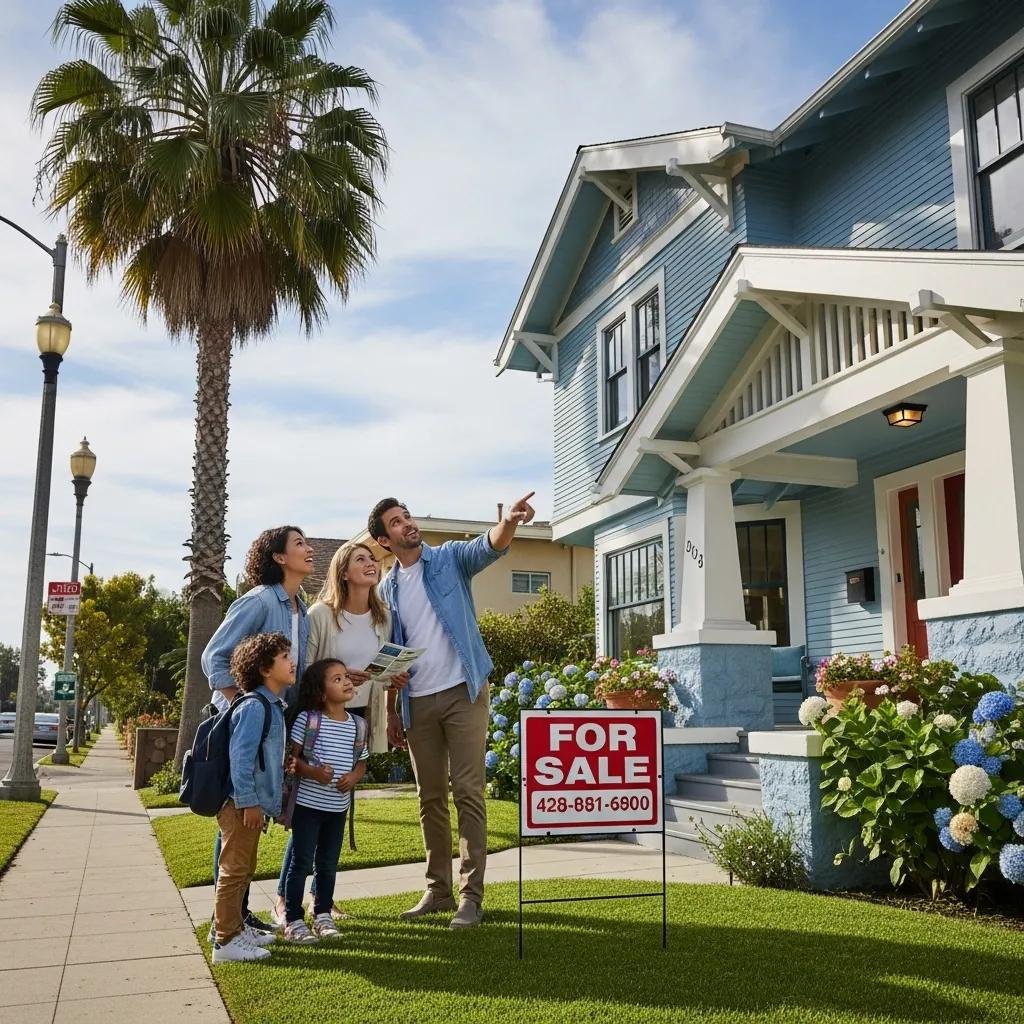
Family exploring a home for sale in a desirable Long Beach neighborhood, highlighting housing price trends

Home prices in Long Beach are expected to rise by approximately 1% to 3% in 2026, reflecting a steady demand for housing amidst limited inventory. Factors such as job growth, interest rates, and demographic shifts will play a significant role in this upward trend. Buyers should be prepared for competitive bidding situations, particularly in sought-after areas.

Which Neighborhoods Show the Strongest Property Value Growth?

Certain neighborhoods in Long Beach are projected to experience the most significant property value growth. Areas such as Belmont Shore, Naples, and Downtown Long Beach are anticipated to see increases due to their desirable locations and amenities. Historical data shows that these neighborhoods have consistently outperformed others in terms of appreciation, making them prime targets for investment.

How to Navigate the 2026 Long Beach Real Estate Market as a Buyer?

Navigating the Long Beach real estate market in 2026 requires strategic planning and awareness of current trends. Buyers must be equipped with knowledge about financing options, market conditions, and effective negotiation tactics to secure their ideal properties.

What Are Key Home Buying Tips for Long Beach in 2026?

  1. Understand Financing Options: Familiarize yourself with various mortgage products and interest rates to find the best fit for your financial situation.
  2. Be Prepared to Act Quickly: With rising demand, desirable properties may sell quickly. Having pre-approval for a mortgage can give you a competitive edge.
  3. Research Neighborhoods: Investigate different neighborhoods to find the best fit for your lifestyle and investment goals.

How Do Mortgage Rates and Housing Supply Affect Buyers?

Mortgage rates are a critical factor influencing buyer decisions. As rates fluctuate, they can significantly impact monthly payments and overall affordability. Additionally, the housing supply in Long Beach is expected to remain tight, which may lead to increased competition among buyers. Understanding these dynamics will help buyers make informed decisions and strategize effectively.

What Should Sellers Know About the Long Beach Market Trends in 2026?

Sellers in the Long Beach market must stay informed about current trends to maximize their property value. Understanding buyer preferences and market conditions will enable sellers to position their homes effectively.

Which Seller Strategies Maximize Property Value in 2026?

Well-staged living room in a Long Beach home, emphasizing seller strategies for maximizing property value
  1. Enhance Curb Appeal: First impressions matter. Invest in landscaping and exterior improvements to attract potential buyers.
  2. Stage Your Home: Proper staging can highlight your home’s best features and help buyers envision themselves living there.
  3. Timing the Market: List your home during peak buying seasons to increase visibility and attract more offers.

How Does Market Inventory Impact Selling Opportunities?

The current inventory levels in Long Beach are low, which can create favorable conditions for sellers. With fewer homes available, sellers may find themselves in a stronger negotiating position. However, it’s essential to price homes competitively to attract buyers in a market where they have limited options.

What Are the Top Investment Opportunities in Long Beach Real Estate 2026?

Investors looking to capitalize on the Long Beach real estate market in 2026 should focus on properties that offer strong returns. Identifying the right property types and understanding market trends will be crucial for successful investments.

Which Property Types Offer the Best Returns in 2026?

  1. Multi-Family Units: These properties often provide higher rental yields and can be a stable source of income.
  2. Condos: With the growing demand for low-maintenance living, condos in desirable areas are likely to appreciate significantly.
  3. Single-Family Homes: These remain a solid investment, particularly in neighborhoods with strong school districts and amenities.

How Do Southern California Real Estate Trends Influence Long Beach Investments?

Southern California’s real estate trends, including population growth and urban development, directly impact Long Beach. As more people move to the region, demand for housing will continue to rise, making it an attractive market for investors. Understanding these broader trends will help investors make informed decisions about their Long Beach investments.

For those interested in buying or selling, consider reaching out to West Blvd Realty for expert guidance.

To further explore the Long Beach real estate landscape, it’s essential to stay updated on market dynamics.

Staying informed about real estate trends can significantly impact investment decisions.

Current Home Buying Market Trends That Impact Purchases


interest

Current Home Buying Market Trends to Watch

The current home buying market exhibits dynamic trends shaped by economic factors, regulatory changes, and shifting buyer preferences. Understanding these market trends is crucial for informed decision-making in real estate. This article explores significant home buying trends to watch, regional variations, evolving buyer behaviors, financing innovations, policy updates, and the future market outlook.

What are the Current Home Buying Market Trends?

a bustling urban real estate office, featuring a large digital display showcasing soaring home prices and statistics, with agents engaged in animated discussions, vibrant energy reflecting the robust demand amid economic uncertainties.

Currently, a rise in home prices continues to be a prominent trend, influenced by supply constraints and increased demand exacerbated by low mortgage rates. Notably, the National Association of Home Builders indicates that home prices have increased by 15% over the past two years, indicating a robust demand fueled by consumers eager to invest in property despite economic uncertainties.

What are the Regional Variations in Current Home Buying Trends?

a bustling urban real estate office filled with diverse professionals analyzing digital market trends on sleek, modern displays, showcasing a vibrant map of varying home prices across different u.s. regions.

Regional home buying trends vary significantly across the United States. In metropolitan areas like New York City, demand remains high despite rising prices, with homes selling for an average of 10% above list price. Conversely, regions such as the Midwest see stabilized prices with an increase in inventory. This dichotomy shapes diverse buying strategies tailored to local market conditions.

How is Evolving Buyer Behavior Affecting Home Buying Trends?

a modern, sleek real estate office bustling with professionals engaged in virtual home tours on large screens, showcasing the shift towards technology-driven buying trends in the housing market.

Evolving buyer behaviors reflect a shift towards digital platforms and remote transactions. A survey by the Mortgage Bankers Association revealed that 78% of home buyers prefer virtual home tours over in-person visits. This trend towards technology-driven purchasing methods emphasizes the importance of online presence for real estate agencies.

What Financing Innovations are Influencing Home Buying Trends?

a sleek, modern office space with a large digital screen displaying ai-driven mortgage analytics, surrounded by focused professionals engaged in collaboration over home buying strategies.

Financing innovations such as AI-driven mortgage assessments are transforming the traditional home buying process. For example, tools leveraging machine learning can provide instant mortgage pre-approvals, expediting the buyer’s decision-making process. A report by Freddie Mac highlights how these innovations can shorten the mortgage approval timeframe by up to 30%.

What Policy Updates are Influencing Home Buying Trends?

a vibrant and modern real estate office filled with diverse professionals engaged in animated discussions over a large digital display showcasing fluctuating interest rates and housing market trends, illuminated by sleek overhead lighting.

Policy updates, including changes in the Federal Reserve‘s interest rates, directly impact buyer affordability. Recent cuts in interest rates aim to stimulate market activity, enabling more buyers to enter the market. For instance, adjustments in the federal funds rate by 0.25% have resulted in a 10% decrease in monthly mortgage payments for the average buyer.

What is the Future Market Outlook for Home Buying Trends?

a modern urban office space features a large digital display showcasing a graph depicting slower home price growth trends, with focused professionals engaged in discussion around a sleek conference table, embodying the future of home buying strategies in a dynamic market.

The future market outlook suggests a potential stabilization of home prices as buyer demand may wane due to economic pressures such as inflation and rising interest rates. Experts predict that between 2023 and 2024, price growth will slow to a modest 3-5% annually, enabling a more accessible market for first-time buyers.

How can first-time buyers navigate rising home prices?

First-time buyers can look for homes in emerging neighborhoods where prices are still affordable.

What role do interest rates play in housing affordability?

Higher

rates generally increase monthly payments, making housing less affordable for buyers.

Are there specific financial products to assist first-time homebuyers?

Yes, various loan products, including FHA loans and VA loans, are designed for first-time homebuyers.

How has remote work impacted home buying trends?

Remote work has led buyers to seek larger homes in suburban areas, away from urban centers.

Is now a good time to invest in real estate?

Current market conditions suggest cautious investments, focusing on long-term appreciation.

Navigating the Complexities of Property Disclosure Laws


Property disclosure laws stand as a critical safeguard for both buyers and sellers. These laws, which vary by jurisdiction, require sellers to provide detailed information about the condition of their property to potential buyers. At West BLVD Realty, we understand the importance of navigating these laws correctly to ensure smooth, legally compliant transactions. This comprehensive guide will walk you through the essentials of property disclosure laws, helping you understand your rights and responsibilities in the real estate process.

Understanding the Basics of Property Disclosure Laws

Property disclosure laws are designed to protect buyers from purchasing properties with unknown defects and to shield sellers from future litigation. These laws require sellers to disclose known issues that could affect the value or desirability of the property.

What Are Property Disclosure Laws?

Property disclosure laws are legal requirements that mandate sellers to inform potential buyers about known defects or issues with a property. These laws typically cover a wide range of aspects, from structural issues to environmental hazards. The primary goal is to ensure that buyers have all the necessary information to make an informed decision about their purchase.

Why Property Disclosure Laws Are Important for Buyers and Sellers

For buyers, these laws provide crucial information that can influence their decision to purchase a property and at what price. They help buyers avoid unexpected and potentially costly surprises after the sale.

For sellers, compliance with disclosure laws offers protection against future legal action. By providing comprehensive and honest disclosures, sellers can demonstrate their good faith and reduce the risk of lawsuits based on claims of misrepresentation or fraud.

The Role of Real Estate Agents in Property Disclosures

At West BLVD Realty, our agents play a vital role in guiding clients through the disclosure process. We help sellers understand what needs to be disclosed and assist buyers in interpreting the information provided. Our expertise ensures that all parties comply with legal requirements while protecting their interests.

Local Disclosure Laws Every Seller Should Know

Property disclosure laws can vary significantly from one jurisdiction to another, making it crucial for sellers to understand their local requirements.

How Local Laws Differ Across States

While some disclosure requirements are common across many states, such as the need to disclose known structural defects, others can be quite specific. For example, some states require disclosure of paranormal activity or deaths on the property, while others do not. West BLVD Realty agents are well-versed in local laws, ensuring our clients meet all necessary requirements.

Finding Your State’s Property Disclosure Requirements

To find your state’s specific requirements, you can start by checking with your state’s real estate commission or department of real estate. However, the complexity of these laws often makes it beneficial to work with a knowledgeable real estate professional. At West BLVD Realty, we stay up-to-date on all local disclosure requirements to guide our clients effectively.

Regulatory Bodies Overseeing Property Disclosures

Various regulatory bodies, including state real estate commissions and consumer protection agencies, oversee property disclosures. These organizations set standards, provide forms, and enforce compliance. Working with a reputable agency like West BLVD Realty ensures you have access to the latest information and forms required for compliance.

The Most Common Disclosures in Real Estate

While disclosure requirements can vary, certain issues are commonly required to be disclosed across many jurisdictions.

1. Structural and Mechanical Defects

Sellers are typically required to disclose known issues with the property’s structure or mechanical systems. This can include problems with the foundation, roof, electrical systems, plumbing, or HVAC. West BLVD Realty advises sellers to be thorough in these disclosures to avoid potential legal issues later.

2. Presence of Hazardous Materials

The presence of hazardous materials like asbestos, lead paint, or radon must often be disclosed. This is particularly important in older homes where these materials may be more common. Our agents can help arrange for necessary testing if there’s any uncertainty.

3. History of Pest Infestations

Previous pest problems, particularly those involving termites or other wood-destroying insects, typically need to be disclosed. This includes both current infestations and past treatments.

4. Water Damage and Mold Reports

Water damage and mold can pose serious health risks and affect a property’s structural integrity. Sellers are usually required to disclose known issues related to water intrusion or mold growth.

5. Past Repairs and Renovations

Significant repairs or renovations, especially those that required permits, should be disclosed. This includes information about when the work was done and whether it was performed by licensed professionals.

What Is a Seller’s Disclosure?

A seller’s disclosure is a document that provides detailed information about the known condition of a property. It’s a crucial part of the real estate transaction process.

Defining Seller’s Disclosure in Real Estate

The seller’s disclosure is typically a form or document where the seller lists known issues with the property. It covers a wide range of topics, from the age of the roof to known neighborhood nuisances. At West BLVD Realty, we guide our clients through this process to ensure all necessary information is included.

What Sellers Legally Must Disclose

The specific items that must be disclosed vary by jurisdiction, but generally include known material defects that could affect the property’s value or desirability. This can include structural issues, water damage, pest infestations, and sometimes even non-physical factors like neighborhood noise levels or pending legal actions affecting the property.

Consequences of Omitting Information

Failing to disclose known issues can have serious consequences. Sellers may face legal action, financial penalties, or even the rescission of the sale. It’s always better to err on the side of over-disclosure. West BLVD Realty emphasizes the importance of honesty and thoroughness in disclosures to protect our clients’ interests.

How to Effectively Disclose Property Information

Effective disclosure is about more than just filling out a form. It requires careful preparation and a commitment to transparency.

Preparing Your Disclosure Document

Start by thoroughly documenting all known issues with your property. Review past repair records, inspection reports, and any other relevant documents. West BLVD Realty can provide guidance on what information is most crucial to include.

Ensuring Full Transparency With Buyers

Be honest and thorough in your disclosures. If you’re unsure about an issue, it’s better to disclose it and explain your uncertainty than to omit it entirely. Our agents can help you communicate effectively with buyers to ensure they have a clear understanding of the property’s condition.

Avoiding Common Disclosure Pitfalls

Common mistakes include failing to disclose issues that seem minor, assuming buyers will discover problems during an inspection, or thinking that selling a home “as-is” negates the need for disclosures. West BLVD Realty helps our clients avoid these pitfalls, ensuring comprehensive and legally compliant disclosures.

Do I Have to Tell Potential Buyers About Problems?

This is a common question among sellers, and the answer is generally yes. Honesty is not just the best policy; it’s often a legal requirement.

While legal requirements set the minimum standard for disclosures, ethical considerations often suggest going beyond the bare minimum. At West BLVD Realty, we advise our clients to disclose any information they would want to know if they were buying the property.

Disclosing Non-Apparent Issues

Some issues may not be immediately visible but still need to be disclosed. This could include things like past flooding, repairs that aren’t visible, or even emotional factors like a death on the property (in some jurisdictions). Our agents can help you identify and properly disclose these non-apparent issues.

How to Handle Known Issues During Sale

When known issues exist, it’s often best to address them upfront. This can involve getting estimates for repairs or even completing repairs before listing. West BLVD Realty can help you strategize the best approach for your specific situation.

What Happens if I Lie on a Seller’s Disclosure?

Lying on a seller’s disclosure is a serious matter with potentially severe consequences.

False disclosures can lead to lawsuits, financial penalties, and in some cases, criminal charges. The sale could be rescinded, and the seller might be required to pay damages. West BLVD Realty strongly advises against any form of misrepresentation in disclosures.

Case Studies: Consequences of Disclosure Fraud

There have been numerous cases where sellers faced significant legal and financial consequences for disclosure fraud. These often result in costly settlements or judgments against the seller. Our agency stays informed about these cases to better advise our clients on the importance of honest disclosures.

Protecting Yourself From Accidental Misrepresentation

To avoid accidental misrepresentation, be thorough in your disclosures and err on the side of over-disclosure. If you’re unsure about something, say so. West BLVD Realty can help you navigate this process to ensure you’re protected.

FSBO sellers face unique challenges when it comes to property disclosures, as they don’t have the built-in guidance of a real estate agent.

FSBO Disclosure Responsibilities

FSBO sellers have the same disclosure responsibilities as those working with agents. They must research and comply with all local disclosure laws. This can be challenging without professional guidance, which is why many FSBO sellers ultimately choose to work with agencies like West BLVD Realty.

Resources for FSBO Sellers to Understand Disclosure Laws

FSBO sellers can start by researching their state’s real estate commission website for disclosure requirements. However, the complexity of these laws often makes professional assistance valuable. West BLVD Realty offers consultations to FSBO sellers to help them understand their obligations.

Minimizing Risks Without a Real Estate Agent

To minimize risks, FSBO sellers should consider having a real estate attorney review their disclosures. They might also benefit from professional home inspections to identify issues they may not be aware of. For many, the complexity of the process leads them to seek the expertise of agencies like West BLVD Realty.

Consequences of Failing to Disclose

The consequences of inadequate disclosures can be severe and long-lasting.

Failure to disclose can lead to the termination of a sale, lawsuits, and significant financial liabilities. It can also damage the seller’s reputation in the real estate market. West BLVD Realty emphasizes the importance of thorough disclosures to protect our clients from these risks.

Financial Penalties for Non-Disclosure

Financial penalties for non-disclosure can be substantial, often far exceeding any perceived benefit of hiding issues. These can include compensatory damages, punitive damages, and legal fees.

Buyers who discover undisclosed issues after purchase have several legal options. These might include suits for breach of contract, misrepresentation, or fraud. The specific options depend on local laws and the nature of the non-disclosure. West BLVD Realty works to protect both buyers and sellers by ensuring comprehensive disclosures from the start.

Tips to Avoid Disclosure Disputes

Avoiding disclosure disputes is far easier than resolving them after they arise.

Best Practices for Sellers and Agents

Best practices include being thorough and honest in disclosures, documenting all known issues, and addressing potential problems proactively. West BLVD Realty trains our agents in these best practices to protect our clients’ interests.

Utilizing Professionals for Accurate Disclosures

Professional home inspectors, contractors, and sometimes even specialized experts can help identify and document issues that need to be disclosed. West BLVD Realty can connect you with trusted professionals to ensure accurate and comprehensive disclosures.

Keeping Detailed Records of Disclosures and Inspections

Maintain copies of all disclosure documents, inspection reports, and related correspondence. This documentation can be crucial if questions arise later. Our agency helps clients organize and maintain these important records.

Conclusion

Navigating property disclosure laws is a complex but crucial part of any real estate transaction. By understanding your obligations, being thorough and honest in your disclosures, and seeking professional guidance when needed, you can protect yourself and ensure a smooth, legally compliant sale.

At West BLVD Realty, we’re committed to guiding our clients through every step of the real estate process, including the intricacies of property disclosures. Our expertise in local laws and best practices helps ensure that your transaction is not only successful but also legally sound.

Whether you’re a buyer seeking to understand disclosure documents or a seller looking to ensure you’re meeting all legal requirements, West BLVD Realty is here to help. Contact us today to learn how we can assist you in navigating the complexities of property disclosure laws and achieve your real estate goals with confidence and peace of mind.

Long Beach Sellers: Pre-Inspection Prep Made Simple


As a homeowner in Long Beach, California, preparing your property for a home inspection is a crucial step in the selling process. A thorough inspection can make or break a sale, and being well-prepared can significantly improve your chances of a smooth transaction. At West BLVD Realty, we understand the unique challenges and opportunities that come with selling a home in Long Beach. This comprehensive guide will walk you through essential steps to ensure your home is ready for inspection day.

Kickstarting Your Pre-Inspection Journey

The key to a successful home inspection lies in early preparation. By starting the process well in advance, you can address potential issues and present your home in the best possible light.

Gather All Necessary Documents Early On

Begin by collecting and organizing all relevant documents related to your home. This includes:

  • Home improvement records
  • Warranties for appliances and systems
  • Maintenance schedules and receipts
  • Previous inspection reports (if any)
  • Utility bills

Having these documents readily available not only demonstrates your diligence as a homeowner but also provides valuable information to the inspector. West BLVD Realty agents can guide you on which documents are most crucial for your specific property and help you organize them effectively.

Schedule a Consultation With a Local Inspector

Consider scheduling a pre-inspection consultation with a reputable local inspector. This can provide valuable insights into what to expect and areas that may need attention. West BLVD Realty has established relationships with trusted inspectors in Long Beach and can recommend professionals who are familiar with the unique characteristics of homes in our area.

During the consultation, ask about:

  • Common issues found in homes similar to yours
  • Areas of the home that will receive particular scrutiny
  • Any Long Beach-specific regulations or concerns

This proactive approach can help you address potential issues before the official inspection, potentially saving time and money in the long run.

Essential Repairs That Can’t Wait

Identifying and addressing critical issues before the inspection can prevent major setbacks in your home sale process.

Identifying Critical Issues in Key Home Systems

Focus on the following key areas:

  • Plumbing: Check for leaks, water pressure issues, and proper drainage.
  • Electrical wiring: Ensure all outlets are functioning and there are no exposed wires.
  • Roof: Look for missing shingles, leaks, or signs of wear.
  • HVAC: Have your heating and cooling systems serviced.

Your West BLVD Realty agent can provide a more comprehensive checklist tailored to your specific property and the common issues found in Long Beach homes.

Prioritizing Fixes Based on Impact and Cost

Not all repairs are created equal. Prioritize fixes that:

  • Address safety concerns
  • Affect the structural integrity of the home
  • Could lead to more significant damage if left unaddressed

West BLVD Realty’s experience in the Long Beach real estate market allows us to advise you on which repairs are most likely to impact your home’s value and saleability.

Decluttering Your Space for the Inspection Day

A clutter-free home not only looks more appealing but also allows for a more thorough inspection.

Sorting Personal Belongings Room by Room

Start with one room at a time:

  • Remove excess furniture to make spaces appear larger
  • Clear countertops and shelves
  • Organize closets and storage areas

Remember, inspectors need access to all areas of your home, including attics, basements, and crawl spaces. Ensure these areas are easily accessible.

Adopting a Minimalistic Approach to Staging

While full staging isn’t necessary for an inspection, a minimalist approach can help:

  • Highlight your home’s best features
  • Make rooms appear more spacious
  • Allow the inspector to move freely throughout the home

West BLVD Realty can provide guidance on effective staging techniques that work well for both inspections and potential buyer viewings.

Deep Cleaning Strategies for Lasting Impressions

A clean home not only looks better but can also prevent the misidentification of dirt or grime as more serious issues.

Target High-Traffic Areas First for Maximum Effect

Focus your deep cleaning efforts on:

  • Kitchen: Clean appliances inside and out, degrease range hoods, and sanitize countertops.
  • Bathrooms: Scrub tiles, clean grout, and ensure all fixtures are spotless.
  • Living areas: Steam clean carpets, wash windows, and dust all surfaces.

Include Overlooked Spaces in Your Cleaning Plan

Don’t forget often-neglected areas:

  • Baseboards and crown molding
  • Light fixtures and ceiling fans
  • Window tracks and sills
  • HVAC vents and returns

Attention to these details can impress inspectors and potential buyers alike, showcasing your home’s overall maintenance and care.

Addressing Exterior Appeal and Curb Side Checks

The exterior of your home sets the tone for the entire inspection.

Simple Landscaping Tweaks With Big Returns

Enhance your home’s curb appeal with these quick fixes:

  • Trim overgrown shrubs and trees
  • Mow the lawn and edge walkways
  • Add fresh mulch to garden beds
  • Repair any broken fencing or gates

West BLVD Realty can recommend local landscapers who understand the unique flora of Long Beach and can help make your yard shine.

Ensuring Access Pathways Are Clean and Safe

Make sure all access points to your home are clear and safe:

  • Repair any cracks in walkways or driveways
  • Ensure proper lighting along pathways
  • Clear away any debris or obstacles

Remember, a safe and accessible exterior not only facilitates a thorough inspection but also makes a positive first impression on potential buyers.

Final Checks Before the Inspector Arrives

On the day of the inspection:

  • Turn on all lights and lamps
  • Open all interior doors
  • Ensure all pilot lights are lit
  • Replace any burnt-out bulbs
  • Clear the area around your water heater, furnace, and electrical panel

Your West BLVD Realty agent can be present during the inspection to answer questions and ensure everything goes smoothly.

Conclusion

Preparing your Long Beach home for inspection doesn’t have to be overwhelming. By following these tips and working closely with your West BLVD Realty agent, you can ensure your home is presented in its best light. Remember, a well-prepared home not only facilitates a smoother inspection process but can also lead to a quicker sale and potentially higher offers.

At West BLVD Realty, we’re committed to guiding you through every step of the home selling process in Long Beach. Our local expertise and dedication to client success make us the ideal partner for your real estate journey. Ready to take the next step in preparing your home for inspection? Contact West BLVD Realty today, and let’s work together to make your home shine!

Essential Steps to Buying Your First Home


At West BLVD Realty, we understand the mix of emotions and questions that come with this significant life step. That’s why we’ve created this comprehensive guide to walk you through the essential steps of buying your first home. From understanding your budget to closing the deal, we’ll provide you with expert insights and practical advice to make your home-buying experience as smooth and rewarding as possible.

Understanding Your Budget Before House Hunting

Before you start scrolling through listings or visiting open houses, it’s crucial to have a clear understanding of your financial situation. This foundational step will guide your entire home-buying journey and help you focus on properties that are truly within your reach.

Calculate Your Monthly Income and Expenses

The first step in determining your home-buying budget is to get a clear picture of your monthly cash flow. Here’s how to do it:

  • Assess your income: Calculate your total monthly income after taxes. Include all stable sources of income, such as your salary, investments, and any side hustles.
  • List your expenses: Create a comprehensive list of your monthly expenses, including:
    • Rent
    • Utilities
    • Car payments and insurance
    • Student loans or other debt payments
    • Groceries and dining out
    • Entertainment and subscriptions
    • Savings and investments
  • Use budgeting tools: Consider using budgeting apps or spreadsheets to track your income and expenses accurately. Many of our clients at West BLVD Realty find tools like Mint or YNAB (You Need A Budget) helpful in this process.
  • Rent
  • Utilities
  • Car payments and insurance
  • Student loans or other debt payments
  • Groceries and dining out
  • Entertainment and subscriptions
  • Savings and investments

By subtracting your expenses from your income, you’ll get a clear idea of how much you can comfortably allocate towards a mortgage payment each month.

Factor in the Potential Mortgage, Taxes, and Insurance Costs

Remember, your monthly housing costs will extend beyond just the mortgage payment. When budgeting for a home, you need to consider the following:

  • Principal and interest: This is the core of your mortgage payment, covering the loan amount and the interest charged by the lender.
  • Property taxes: These vary by location but can add a significant amount to your monthly payment. In the areas served by West BLVD Realty, property taxes typically range from 1% to 1.5% of the home’s value annually.
  • Homeowners insurance: This protects your investment and is usually required by lenders. Expect to pay around $800 to $1,500 annually, depending on the home’s value and location.
  • Private Mortgage Insurance (PMI): If your down payment is less than 20%, you’ll likely need to pay PMI, which can add $30 to $70 per month for every $100,000 borrowed.
  • HOA fees: If you’re buying in a community with a Homeowners Association, factor in these monthly or annual fees.
  • Maintenance and repairs: Set aside 1-2% of your home’s value annually for ongoing maintenance and unexpected repairs.

A good rule of thumb is to aim for total monthly housing costs (including utilities) that don’t exceed 28% of your gross monthly income. This is known as the front-end ratio. Additionally, your total monthly debt payments, including your mortgage and other obligations, should not exceed 36% of your gross monthly income (the back-end ratio).

At West BLVD Realty, we can help you understand how these factors apply to your specific situation and the local real estate market.

Finding the Right Mortgage for Your First Home

Once you have a clear understanding of your budget, the next step is to explore mortgage options. The right mortgage can save you thousands of dollars over the life of the loan, so it’s worth taking the time to understand your options.

Explore Different Types of Mortgages Available

There are several types of mortgages available to first-time homebuyers:

  • Conventional loans: These are not backed by the government and typically require a higher credit score and down payment. However, they often offer lower interest rates and more flexibility.
  • FHA loans: Backed by the Federal Housing Administration, these loans are popular with first-time buyers due to their lower down payment requirements (as low as 3.5%) and more lenient credit score requirements.
  • VA loans: If you’re a veteran or active-duty service member, you might qualify for a VA loan, which often requires no down payment and offers competitive interest rates.
  • USDA loans: For homes in certain rural areas, USDA loans can offer low or no down payment options for eligible buyers.
  • Adjustable-rate mortgages (ARMs): These offer lower initial interest rates that can increase over time. They can be beneficial if you plan to sell or refinance within a few years.
  • Fixed-rate mortgages: These offer a constant interest rate for the life of the loan, providing predictable monthly payments.

At West BLVD Realty, we have partnerships with local lenders who specialize in various loan types. We can connect you with lenders who can explain these options in more detail and help you find the best fit for your situation.

Evaluate Interest Rates and Loan Terms From Several Lenders

Once you’ve identified the type of mortgage that suits your needs, it’s time to shop around for the best deal. Here’s how to approach this:

  • Compare APRs: The Annual Percentage Rate (APR) includes both the interest rate and other loan costs, giving you a more accurate picture of the loan’s total cost.
  • Consider the loan term: While 30-year mortgages are most common, a 15-year mortgage can save you significant interest over the life of the loan if you can afford the higher monthly payments.
  • Look at the total costs: Pay attention to origination fees, closing costs, and other charges that can add to the overall expense of the loan.
  • Get loan estimates: Request loan estimates from at least three different lenders. This allows you to compare offers side-by-side.
  • Negotiate: Don’t be afraid to negotiate terms or ask lenders to match or beat offers from their competitors.

Remember, your credit score plays a crucial role in the interest rates you’re offered. Before applying for mortgages, check your credit report for errors and take steps to improve your score if needed.

The Importance of Getting Pre-Approved for a Loan

Before you start seriously shopping for homes, it’s crucial to get pre-approved for a mortgage. This step gives you a clear idea of how much you can borrow and demonstrates to sellers that you’re a serious buyer.

Gather Necessary Financial Documents for Loan Pre-Approval

To get pre-approved, you’ll need to provide your lender with various financial documents. Here’s what you typically need:

  • Proof of income: This includes W-2 statements from the last two years, recent pay stubs, and proof of any additional income.
  • Tax returns: Lenders usually request two years of tax returns.
  • Asset information: You’ll need to provide bank statements and investment account statements to show you have funds for the down payment and closing costs.
  • Employment verification: Lenders will want to confirm your employment status and history.
  • Identification: A valid driver’s license or state ID, and your Social Security number.
  • Rental history: If you’re currently renting, be prepared to show proof of rent payments for the last 12 months.

At West BLVD Realty, we can guide you through this process and help ensure you have all the necessary documentation ready to streamline your pre-approval process.

Once you’re pre-approved, you’ll receive a pre-approval letter stating how much the lender is willing to let you borrow. However, it’s important to remember that this is the maximum amount – it doesn’t necessarily mean you should borrow that much.

Consider the following when deciding on your budget:

  • Monthly payments: Ensure the monthly payments on the pre-approved amount fit comfortably within your budget.
  • Future plans: Consider any upcoming life changes that might affect your income or expenses.
  • Homeownership costs: Remember to factor in maintenance, repairs, and potential increases in property taxes or insurance.
  • Down payment: A larger down payment can reduce your monthly mortgage payments and potentially eliminate the need for PMI.

At West BLVD Realty, we recommend aiming for a home price that allows you to maintain financial flexibility and continue saving for other goals.

Searching for Your Ideal Home Within Budget

Now comes the exciting part – searching for your new home! With your budget established and pre-approval in hand, you’re ready to start exploring properties.

Make a List of Must-Haves Versus Nice-to-Haves

Before you start your search, it’s helpful to create two lists:

  • Must-haves: These are non-negotiable features your new home needs to have. Examples might include:
    • Minimum number of bedrooms and bathrooms
    • Specific school district
    • Maximum commute time to work
    • Particular architectural style
  • Nice-to-haves: These are features you’d like but could live without if necessary. Examples might include:
    • A large backyard
    • Hardwood floors
    • Updated kitchen appliances
    • A home office
  • Minimum number of bedrooms and bathrooms
  • Specific school district
  • Maximum commute time to work
  • Particular architectural style
  • A large backyard
  • Hardwood floors
  • Updated kitchen appliances
  • A home office

Remember to be realistic and flexible. You may need to compromise on some items to stay within your budget or to secure a home in your preferred location.

Use Online Resources and Real Estate Agents to Find Listings

There are many ways to search for homes:

  • Online listings: Websites and apps like Zillow, Realtor.com, and Redfin offer extensive listings and useful search filters.
  • West BLVD Realty website: Our website features local listings, including some that may not be widely advertised elsewhere.
  • Work with a West BLVD Realty agent: Our agents have access to the Multiple Listing Service (MLS) and often know about properties before they hit the market. We can set up customized searches based on your criteria and schedule viewings for you.
  • Drive around target neighborhoods: Sometimes, you might spot “For Sale” signs before homes are listed online.
  • Attend open houses: These allow you to view homes and get a feel for different neighborhoods.

When you find homes you’re interested in, your West BLVD Realty agent can provide valuable insights about the property, the neighborhood, and how it compares to similar homes in the area.

Making an Offer and Negotiating the Deal

Once you’ve found a home you love, it’s time to make an offer. This is where having an experienced real estate agent becomes crucial.

Learn About Making a Competitive Offer on a Home

Your offer should be based on several factors:

  • Comparable sales: Your West BLVD Realty agent will provide data on recent sales of similar properties in the area to help you determine a fair offer price.
  • Market conditions: In a seller’s market, you might need to offer at or above asking price. In a buyer’s market, you might have more room to negotiate.
  • Property condition: If the home needs repairs or updates, you might factor these costs into your offer.
  • Your budget: Stay within the budget you’ve set for yourself, even if it means losing out on a property.

Your offer will typically include:

  • The price you’re offering
  • Any contingencies (such as a satisfactory home inspection)
  • Your proposed closing date
  • Details about your down payment and financing
  • Any personal property you want included in the sale (like appliances)

Negotiate Terms, Price Adjustments, and Closing Costs

After you submit your offer, the seller may accept, reject, or counter your offer. This is where negotiation comes in. Your West BLVD Realty agent will be your advocate throughout this process, helping you:

  • Respond to counteroffers: We’ll help you understand the implications of any changes the seller proposes and craft appropriate responses.
  • Negotiate repairs: If the home inspection reveals issues, we can help you negotiate for repairs or price adjustments.
  • Discuss closing costs: Sometimes, you can negotiate for the seller to pay some of the closing costs.
  • Handle multiple offer situations: In competitive markets, we can advise you on how to make your offer stand out.

Remember, successful negotiation often involves give and take. Be prepared to compromise on less important items to secure the things that matter most to you.

Finalizing the Sale Through Closing Procedures

Once your offer is accepted, you enter the closing process. This typically takes 30-45 days and involves several important steps:

  • Home inspection: Have a professional inspector examine the home for any issues. Your West BLVD Realty agent can recommend reputable inspectors and help you understand the results.
  • Appraisal: Your lender will require an appraisal to ensure the home is worth the amount they’re lending.
  • Title search and insurance: This ensures there are no liens or ownership disputes on the property.
  • Secure homeowners insurance: You’ll need to have insurance in place before closing.
  • Final walk-through: Usually done a day or two before closing to ensure the property is in the expected condition.
  • Closing day: You’ll sign all necessary documents, pay closing costs, and receive the keys to your new home!

Throughout this process, your West BLVD Realty agent will be there to guide you, answer questions, and ensure everything progresses smoothly.

Conclusion

Buying your first home is a significant milestone, and while it can seem overwhelming, understanding the process can make it much more manageable and enjoyable. At West BLVD Realty, we’re committed to guiding you through each step, from understanding your budget to handing you the keys to your new home.

Remember, every homebuying journey is unique. The market, your personal circumstances, and the specific properties you’re interested in will all shape your experience. That’s why working with experienced professionals can be so valuable.

Are you ready to take the next step in your homebuying journey? Contact West BLVD Realty today. Our team of expert agents is ready to help you navigate the process and find the perfect first home for you. Let’s turn your homeownership dreams into reality!

Top Family-Friendly Long Beach Neighborhoods


Long Beach, California, a vibrant coastal city nestled in the heart of Southern California, offers a perfect blend of urban amenities and laid-back beach living that makes it an ideal destination for families. With its diverse neighborhoods, excellent schools, and abundance of outdoor activities, Long Beach provides a variety of options for families seeking the perfect place to call home. This comprehensive guide will explore the top family-friendly neighborhoods in Long Beach, helping you make an informed decision for your family’s future.

Ideal Long Beach Areas for Family Living

Long Beach’s unique position in Southern California, midway between Los Angeles and San Diego, offers families the best of both worlds. With its Mediterranean climate, miles of beaches along the Pacific Ocean, and a thriving cultural scene, Long Beach combines big-city amenities with a relaxed, community-oriented atmosphere.

The city’s commitment to education, with its renowned California State University, Long Beach campus and excellent public and private schools, makes it an attractive option for families prioritizing their children’s academic future. Additionally, Long Beach’s diverse economy, from its bustling port to its thriving tech and healthcare sectors, provides ample job opportunities for parents.

As we explore the top family-friendly neighborhoods in Long Beach, we’ll focus on areas that offer a combination of quality schools, safe streets, abundant recreational opportunities, and a strong sense of community. Let’s dive into some of the most sought-after neighborhoods for families in Long Beach.

Discovering the Charm of Belmont Shore for Families

Belmont Shore, with its picturesque beachfront location and lively main street, is often considered one of Long Beach’s most desirable neighborhoods for families. This charming area offers a perfect mix of urban convenience and beach town relaxation.

The heart of Belmont Shore is 2nd Street, a bustling thoroughfare lined with boutique shops, family-friendly restaurants, and local businesses. This pedestrian-friendly area creates a small-town feel within the larger city, allowing families to enjoy leisurely strolls and community events throughout the year.

Housing in Belmont Shore ranges from cozy beach bungalows to modern condos and spacious single-family homes. While real estate prices in this area tend to be higher than in some other parts of Long Beach, many families find the lifestyle and amenities well worth the investment.

Scenic Walks Along the Beachfront for Weekend Family Outings

One of the biggest draws for families in Belmont Shore is its proximity to the beach. The neighborhood boasts easy access to both the calm waters of Alamitos Bay and the surf of the Pacific Ocean. The Belmont Shore Beach, with its wide stretches of sand and gentle waves, is perfect for family beach days, picnics, and water activities.

The Belmont Pier offers excellent fishing opportunities and stunning views of the coastline. For active families, the beach bike path that runs along the shore provides miles of scenic riding, walking, or jogging. On weekends, you’ll find families enjoying volleyball games on the beach, building sandcastles, or simply soaking up the California sun.

Access to Top-Rated Schools in the Belmont Shore Area

Families in Belmont Shore benefit from access to some of Long Beach’s highest-rated schools. Lowell Elementary School, located within the neighborhood, is known for its strong academic programs and involved parent community. For secondary education, Rogers Middle School and Wilson High School, both well-regarded institutions, serve the area.

These schools offer a range of programs, from advanced placement courses to robust arts and sports programs, ensuring that children have access to well-rounded educational experiences. The proximity of these quality schools to residential areas means that many children can walk or bike to school, fostering independence and a sense of community.

Why Alamitos Bay Tops the List for Parent-Friendly Amenities

Alamitos Bay, another gem in Long Beach’s crown of family-friendly neighborhoods, offers a unique waterfront living experience. This area, which includes the communities of Naples and Belmont Park, is characterized by its picturesque canals, upscale homes, and abundant water-based activities.

The neighborhood’s layout, with its islands and canals, creates a serene atmosphere that feels worlds away from the hustle and bustle of city life. Housing options in Alamitos Bay range from charming Naples cottages to luxurious waterfront estates, catering to a variety of family sizes and budgets.

Family Boating and Water Activities at Your Doorstep

One of the biggest attractions for families in Alamitos Bay is the easy access to water activities. The Alamitos Bay Marina, one of the largest municipal marinas in the country, offers boat slips, kayak and paddleboard rentals, and sailing lessons for all ages. Families can enjoy leisurely boat rides around the bay, try their hand at stand-up paddleboarding, or learn to sail together.

Mother’s Beach, a protected beach within the bay, is perfect for families with young children. Its calm waters and playground make it an ideal spot for a day of swimming and play. The nearby Leeway Sailing Center offers youth sailing programs, fostering a love for water sports from an early age.

Quiet Neighborhood Parks Ideal for Young Kids

While water activities are a big draw, Alamitos Bay also offers plenty of land-based recreation for families. Colorado Lagoon Park, with its newly restored wetlands, provides a natural oasis for families to explore. The park features a playground, picnic areas, and walking trails, making it perfect for family outings and nature education.

Marina Vista Park, another local favorite, offers sports fields, a playground, and beautiful views of the marina. These green spaces serve as community gathering spots, hosting events like summer concerts and holiday celebrations that bring neighbors together and foster a strong sense of community.

The Lakeside Appeal of El Dorado Park Neighborhood

The El Dorado Park neighborhood, centered around the sprawling El Dorado Regional Park, offers families a suburban oasis within the city. This area is characterized by its spacious single-family homes, tree-lined streets, and of course, the expansive park that gives the neighborhood its name.

El Dorado Park neighborhood provides a more traditional suburban feel compared to the beachfront areas, with larger lot sizes and a quieter atmosphere. The real estate market here typically offers more square footage for your money, making it attractive to growing families or those seeking more space.

Expansive Outdoor Spaces for Sports and Recreation

The crown jewel of this neighborhood is El Dorado Regional Park, a massive 388-acre green space that serves as a recreational hub for families. The park features lakes for fishing and model boat racing, extensive walking and biking trails, and numerous sports facilities including tennis courts, archery ranges, and a disc golf course.

For families who love outdoor activities, El Dorado Park is a dream come true. Weekend activities might include family bike rides, nature walks to spot local wildlife, or picnics by the lake. The park’s size and variety of amenities mean that families can always find new areas to explore and activities to try.

Proximity to Nature Centers and Educational Programs

One of the unique features of the El Dorado Park neighborhood is the El Dorado Nature Center. This 105-acre nature preserve within the larger park offers two miles of dirt trails and a quarter-mile paved trail that wind through forests, lakes, and streams. The Nature Center building provides interactive exhibits and educational programs for children and adults alike, fostering an appreciation for local ecosystems and wildlife.

The Nature Center offers a variety of family-friendly programs throughout the year, including guided nature walks, wildlife workshops, and seasonal events. These educational opportunities right in the neighborhood provide invaluable hands-on learning experiences for children and promote environmental stewardship from a young age.

Exploring the Historic Richness of California Heights

For families who appreciate historic charm and a strong sense of community, California Heights is an excellent choice. Designated as Long Beach’s largest historic district, this neighborhood is known for its beautifully preserved 1920s and 1930s homes, tree-lined streets, and tight-knit community feel.

The housing stock in California Heights primarily consists of California bungalows and Spanish Colonial Revival homes, many of which have been lovingly restored to their original splendor. While the homes may be historic, many have been updated with modern amenities, offering families the perfect blend of vintage charm and contemporary comfort.

Community Events That Foster Neighborly Bonds

One of the hallmarks of California Heights is its strong community spirit, exemplified by the numerous events and activities organized throughout the year. The California Heights Home and Garden Tour, held biennially, allows residents and visitors to explore some of the neighborhood’s most beautiful homes and gardens, fostering a sense of pride in the area’s architectural heritage.

Regular community cleanups, block parties, and holiday events bring neighbors together and create a welcoming atmosphere for families. The California Heights Neighborhood Association is particularly active, organizing events like outdoor movie nights, ice cream socials, and an annual community picnic that help forge lasting connections between residents.

Strolling Through Streets Lined With Architectural Gems

One of the joys of living in California Heights is simply walking through the neighborhood and admiring the beautiful historic homes. The area’s California bungalows, with their characteristic low-pitched roofs, wide porches, and craftsman details, create a cohesive and charming streetscape.

For families interested in architecture and history, California Heights offers a living museum of early 20th-century residential design. Many homes feature period details like original hardwood floors, built-in cabinetry, and decorative tile work. This rich architectural heritage provides an excellent opportunity for parents to educate their children about history and design, right in their own neighborhood.

Additional Family-Friendly Neighborhoods to Consider

While we’ve focused on four of Long Beach’s most popular family-friendly neighborhoods, several other areas are worth considering:

  • Bixby Knolls: Known for its family-oriented community, excellent schools, and the popular First Fridays art walk.
  • Naples: An upscale island community with canals, offering a unique Venice-like atmosphere and top-rated schools.
  • Los Altos: A quiet, suburban-style neighborhood with well-regarded schools and easy access to shopping centers.
  • Lakewood Village: Offering a small-town feel within the city, with its own shopping district and community events.
  • Park Estates: An upscale neighborhood near Cal State Long Beach, known for its mid-century modern homes and excellent schools.

Each of these neighborhoods offers its own unique blend of amenities, housing styles, and community atmospheres, catering to different family preferences and budgets.

Factors to Consider When Choosing a Family Neighborhood in Long Beach

When selecting the perfect family neighborhood in Long Beach, consider the following factors:

  • School Quality: Research the local schools, both public and private, and consider their academic performance, extracurricular offerings, and community reputation.
  • Safety: Look into crime statistics for different areas and talk to local residents about their experiences.
  • Amenities: Consider proximity to parks, libraries, community centers, and family-friendly businesses.
  • Housing Costs: Evaluate both purchase prices and rental rates, keeping in mind your budget for mortgage or rent payments.
  • Commute Times: Think about your work location and how long your daily commute might be from different neighborhoods.
  • Community Vibe: Visit neighborhoods at different times of day to get a feel for the atmosphere and see if it aligns with your family’s lifestyle.
  • Future Development: Research any planned developments or changes in the area that might impact your quality of life or property values.

To get the most accurate and up-to-date information, consider working with a local real estate agent who specializes in family relocations. They can provide valuable insights into different neighborhoods and help you find homes that meet your specific needs and budget.

Conclusion

Long Beach offers a wealth of family-friendly neighborhoods, each with its own unique character and amenities. From the beachside charm of Belmont Shore to the historic appeal of California Heights, there’s truly something for every family in this diverse coastal city.

As you explore these neighborhoods, remember that the perfect area for your family will depend on your specific needs, preferences, and budget. Take the time to visit different neighborhoods, talk to local residents, and work with a knowledgeable real estate agent to find the best fit for your family.

Long Beach’s combination of excellent schools, abundant recreational opportunities, and strong sense of community make it an ideal place for families to put down roots. Whether you’re drawn to the water activities of Alamitos Bay, the expansive green spaces of El Dorado Park, or the historic charm of California Heights, you’re sure to find a neighborhood that feels like home.

Ready to start your family’s journey in Long Beach? Contact a local real estate agent today to begin exploring these fantastic family-friendly neighborhoods and find your perfect home in this vibrant Southern California city.

Best Real Estate Agents in Long Beach


In the vibrant coastal city of Long Beach, California, finding the right real estate agent can make all the difference in your property journey. Whether you’re looking to buy your dream home with an ocean view, sell your downtown condo, or invest in commercial real estate, the expertise of a top-notch agent is invaluable. This comprehensive guide will help you navigate the process of finding and choosing the best real estate agents in Long Beach, ensuring your real estate transaction is smooth, successful, and tailored to your unique needs.

Discover the Top Real Estate Agents in Long Beach for 2024

Long Beach’s real estate market is as diverse as the city itself, ranging from historic craftsman homes in Bluff Park to modern high-rises downtown. The best agents in this market possess a unique blend of local knowledge, negotiation skills, and customer service that sets them apart.

What Makes an Agent Stand Out in Long Beach

Top-performing real estate agents in Long Beach distinguish themselves through:

  • In-depth knowledge of Long Beach’s diverse neighborhoods
  • Strong negotiation skills tailored to the Southern California market
  • Expertise in navigating local regulations and zoning laws
  • A proven track record of successful transactions in various price ranges
  • Excellent communication skills and responsiveness

For example, agents who specialize in Long Beach’s historic districts like Bluff Park or Carroll Park demonstrate expertise in dealing with older homes and preservation requirements. Meanwhile, those excelling in downtown transactions show proficiency in handling HOA matters and understanding the nuances of high-rise living.

Evaluating Success Through Client Testimonials

Client testimonials offer valuable insights into an agent’s performance. Look for reviews that highlight:

  • The agent’s ability to close deals efficiently
  • Their knowledge of the Long Beach market
  • Responsiveness and communication throughout the process
  • Negotiation skills that resulted in favorable outcomes

For instance, a testimonial praising an agent’s ability to sell a home in Naples Island above asking price within a week demonstrates their market savvy and negotiation skills.

Awards and Recognitions: Signs of a Top Agent

Prestigious awards and recognitions can indicate an agent’s standing in the industry. Look for accolades such as:

  • Realtor® of the Year from the Pacific West Association of Realtors
  • Top Producer awards from major brokerages
  • Five Star Professional Real Estate Agent recognition
  • California Association of Realtors® (CAR) honors

Additionally, check for agents with advanced designations like Certified Residential Specialist (CRS) or Accredited Buyer’s Representative (ABR), which indicate specialized training and expertise.

Area Specialization and Local Market Knowledge

The best real estate agents in Long Beach possess granular knowledge of different neighborhoods. This includes understanding:

  • School district performance in areas like Los Altos or Lakewood Village
  • Upcoming development projects that could affect property values
  • Flood zones and earthquake considerations in coastal areas
  • Local amenities and their impact on property desirability

An agent well-versed in Long Beach’s micro-markets can provide invaluable insights, such as the potential impact of the upcoming Long Beach Airport improvements on surrounding neighborhoods.

The Role of Technology in Modern Real Estate Deals

Top agents leverage technology to enhance their services:

  • Virtual tours and 3D walkthroughs for remote buyers
  • Data analytics for accurate property valuation
  • Digital transaction management for efficient paperwork handling
  • Social media marketing to increase property exposure

For example, an agent using drone photography to showcase beachfront properties in Belmont Shore demonstrates a modern approach to marketing luxury homes.

How to Choose the Best Real Estate Agent for You in Long Beach

Selecting the right agent involves careful consideration of your specific needs and goals.

Understanding Your Real Estate Needs and Goals

Before beginning your search, clearly define your objectives:

  • Are you a first-time homebuyer looking in family-friendly neighborhoods like Bixby Knolls?
  • Are you selling a luxury property in the Peninsula area?
  • Are you interested in investment properties near Cal State Long Beach?

Your goals will help determine the type of agent expertise you require.

Importance of Communication Skills in Your Agent

Effective communication is crucial in real estate transactions. Look for an agent who:

  • Responds promptly to calls, emails, and texts
  • Explains complex real estate terms in understandable language
  • Keeps you informed at every stage of the buying or selling process
  • Listens actively to your concerns and preferences

An agent who provides regular market updates and promptly informs you of new listings matching your criteria demonstrates strong communication skills.

Checking for Proper Licensing and Credentials

Ensure your chosen agent is properly licensed:

  • Verify their California Department of Real Estate (DRE) license
  • Check for any disciplinary actions or complaints
  • Look for additional certifications that align with your needs (e.g., Senior Real Estate Specialist for retirees)

You can easily verify an agent’s license status on the California DRE website.

The Advantage of a Strong Local Network

Agents with robust local networks can offer significant advantages:

  • Access to off-market listings
  • Connections with reliable local contractors, lenders, and inspectors
  • Insights into upcoming development plans or zoning changes

An agent with strong ties to the Long Beach business community might have early information about commercial developments that could affect residential property values.

Comparing Commissions and Fees

While commission rates are typically negotiable, focus on the value an agent provides:

  • Marketing strategies for sellers
  • Negotiation skills that can save buyers money
  • Additional services included in their fee structure

Remember, the lowest commission isn’t always the best deal if it comes at the expense of crucial services or expertise.

Why Experience Matters: Long Beach’s Seasoned Agents

Experience often translates to a deeper understanding of the Long Beach real estate market and more refined skills in handling complex transactions.

Decades of Experience vs. Fresh Enthusiasm

While seasoned agents bring valuable experience, newer agents might offer:

  • Innovative marketing approaches
  • Greater comfort with the latest technology
  • Enthusiasm and willingness to go the extra mile

Consider a balance of experience and innovation based on your specific needs.

Track Record of Sales in Long Beach

Examine an agent’s sales history:

  • Volume of transactions in your target neighborhoods
  • Experience with properties similar to yours
  • Consistency in performance over time

An agent with a strong track record of selling condos in downtown Long Beach would be ideal if you’re looking to sell your loft in the East Village Arts District.

Adaptability to the Changing Market

The best agents stay ahead of market trends:

  • Understanding of factors influencing the Long Beach market, such as port activity or tourism
  • Ability to adjust strategies in response to market shifts
  • Continuous education on industry developments

Look for agents who can discuss how recent changes, like the rise in remote work, are affecting Long Beach’s real estate market.

Depth of Local Area Knowledge

Profound local knowledge is invaluable:

  • Understanding of Long Beach’s diverse architectural styles
  • Familiarity with local ordinances and building codes
  • Insights into neighborhood-specific market trends

An agent who can discuss the nuances of mid-century modern homes in Park Estates demonstrates valuable specialized knowledge.

The Rising Stars in Long Beach Real Estate

While experience is valuable, don’t overlook promising new agents who might bring fresh perspectives and energy to your real estate journey.

Identifying Up-and-Comers in the Realty Scene

Look for new agents who:

  • Are associated with reputable brokerages
  • Show a commitment to continuing education
  • Demonstrate enthusiasm and a strong work ethic

Many brokerages in Long Beach, like Coldwell Banker Coastal Alliance, have mentorship programs pairing new agents with experienced professionals, combining fresh energy with seasoned guidance.

Innovations They Bring to the Table

Emerging agents often introduce innovative practices:

  • Creative use of social media for property marketing
  • Integration of virtual and augmented reality in property showings
  • Data-driven approaches to market analysis

For example, a new agent using Instagram Reels to showcase Long Beach’s vibrant lifestyle along with property features demonstrates a modern, engaging marketing approach.

Their Approach to Long Beach’s Unique Market

Up-and-coming agents may offer fresh perspectives on:

  • Emerging neighborhood trends, like the revitalization of North Long Beach
  • Creative solutions for first-time homebuyers in a competitive market
  • Innovative approaches to investment properties, such as identifying potential Airbnb opportunities in coastal areas

Specializing Agents: Who to Look for Specific Needs

Different real estate goals require different types of expertise. Long Beach’s diverse market has specialists for various niches.

Best Agents for First-Time Home Buyers

First-time buyer specialists should offer:

  • Patience and willingness to educate on the buying process
  • Knowledge of first-time buyer programs and incentives
  • Experience in neighborhoods popular with new homeowners, like Bixby Knolls or Lakewood Village

Look for agents who host first-time homebuyer workshops or have specific designations for working with this group.

Top Realtors for Selling High-Value Properties

Luxury market specialists should demonstrate:

  • Experience in marketing high-end properties in areas like Naples or the Peninsula
  • Network of affluent buyers and investors
  • Understanding of luxury home features and valuations

Agents affiliated with luxury brands like Sotheby’s International Realty often have the resources and network to effectively market high-value Long Beach properties.

Experts in Commercial Real Estate Transactions

Commercial real estate specialists should offer:

  • Understanding of Long Beach’s commercial zoning and development plans
  • Experience with different types of commercial properties (retail, office, industrial)
  • Knowledge of commercial lease structures and negotiations

An agent well-versed in Long Beach’s efforts to revitalize certain commercial corridors, like the Anaheim Street Corridor, can provide valuable insights for investors.

Finding Agents With a Niche in Historical Homes

Specialists in historical properties should have:

  • Knowledge of Long Beach’s historic districts and their regulations
  • Experience in navigating renovation restrictions on historic homes
  • Understanding of the unique appeal and challenges of older properties

An agent who has successfully sold multiple homes in historic neighborhoods like California Heights or Rose Park can be invaluable for buyers or sellers of character homes.

Agents With the Best Online Presence in Long Beach, California

In today’s digital age, a strong online presence is crucial for real estate agents to effectively market properties and connect with clients.

Utilizing Social Media to Widen Reach

Look for agents who:

  • Maintain active, professional profiles on platforms like Instagram, Facebook, and LinkedIn
  • Share valuable content about the Long Beach real estate market
  • Showcase properties through engaging photos and videos

An agent with a strong Instagram following who regularly posts about Long Beach neighborhoods and lifestyle can effectively market your property to a broader audience.

Websites That Showcase Long Beach Listings Beautifully

Effective real estate websites should:

  • Offer easy-to-use property search functions
  • Provide high-quality photos and virtual tours of listings
  • Include valuable resources about the Long Beach real estate market

A well-designed website that highlights the unique features of each Long Beach neighborhood can be a powerful tool for both buyers and sellers.

Engaging Potential Clients Through Content

Content marketing demonstrates an agent’s expertise:

  • Blog posts about Long Beach real estate trends
  • Video tours of neighborhoods or featured properties
  • Newsletters with market updates and local events

An agent who produces a monthly market report for different Long Beach neighborhoods shows dedication to keeping clients informed and educated.

The Importance of Client-Agent Chemistry in Real Estate Deals

The right chemistry between you and your agent can significantly impact your real estate experience.

Building a Trusted Relationship With Your Realtor

Trust is built through:

  • Transparency in all dealings
  • Consistent follow-through on commitments
  • Willingness to educate and explain complex aspects of transactions

An agent who takes the time to understand your specific needs and concerns, rather than pushing for a quick sale, is more likely to earn your trust.

Effective Communication for Smooth Transactions

Good communication involves:

  • Regular updates on the progress of your transaction
  • Prompt responses to your questions and concerns
  • Clear explanations of each step in the buying or selling process

An agent who sets up a weekly check-in call during your home search demonstrates a commitment to keeping you informed and involved.

Aligning Vision and Strategy for Your Property

Your agent should:

  • Take time to understand your goals and preferences
  • Develop a tailored strategy to meet your specific needs
  • Be willing to adjust the approach based on your feedback and market conditions

For example, if you’re looking to buy an investment property, your agent should discuss various options in Long Beach, from beach rentals to student housing near CSULB, aligning their strategy with your investment goals.

Long Beach Real Estate Agents With Top Negotiation Skills

Strong negotiation skills can make a significant difference in your real estate transaction.

Ensuring the Best Deal for Buyers

Top buyer’s agents:

  • Research comparable sales to ensure you’re making a fair offer
  • Identify and leverage factors that might influence the seller
  • Know when to push and when to compromise in negotiations

An agent who successfully negotiates seller credits for necessary repairs or improvements demonstrates valuable skills that can save you money.

Maximizing Sale Prices for Sellers

Skilled listing agents:

  • Price properties strategically to attract the right buyers
  • Create urgency through effective marketing and timing
  • Navigate multiple offer situations to your advantage

An agent who orchestrates a bidding war for a desirable property in Belmont Shore, resulting in a sale price well above asking, shows exceptional negotiation skills.

Handling Complications Skillfully

Experienced negotiators:

  • Anticipate potential issues before they arise
  • Find creative solutions to overcome obstacles
  • Remain calm and professional in high-pressure situations

An agent who successfully renegotiates a deal after a low appraisal, keeping the transaction on track, demonstrates valuable problem-solving skills.

Agents Who Excel in Customer Service

Exceptional customer service can transform your real estate experience from stressful to enjoyable.

Going Above and Beyond the Call of Duty

Look for agents who:

  • Offer additional services like coordinating repairs or staging
  • Provide resources and recommendations for all aspects of your move
  • Are willing to go the extra mile to ensure your satisfaction

An agent who helps you find temporary housing during a gap between selling and buying demonstrates a commitment to comprehensive client care.

Responsiveness and Availability

Top agents prioritize client communication by:

  • Being readily available, even outside standard business hours
  • Providing multiple contact methods (phone, email, text)
  • Responding promptly to all client inquiries

An agent who quickly arranges a showing for a hot new listing in Naples, beating other buyers to the punch, shows valuable responsiveness.

Personal Touches That Make a Difference

Thoughtful agents:

  • Remember personal details about you and your family
  • Celebrate milestones in your real estate journey
  • Provide personalized closing gifts

An agent who sends a handwritten note on the anniversary of your home purchase demonstrates a genuine, long-term interest in client relationships.

How to Verify a Real Estate Agent’s Success in Long Beach

Due diligence is crucial when selecting an agent to represent your interests.

Verifying Past Sales and Client Reviews

Research an agent’s track record:

  • Check their sales history on real estate websites
  • Read client reviews on platforms like Zillow or Realtor.com
  • Ask for references from past clients

An agent with consistently positive reviews mentioning their expertise in specific Long Beach neighborhoods like Alamitos Beach or California Heights can be a strong indicator of their local knowledge and success.

Checking Credentials and Awards

Verify an agent’s professional standing:

  • Confirm their DRE license status
  • Look for professional designations and certifications
  • Check for local and national awards or recognitions

An agent who has earned the CRS (Certified Residential Specialist) designation has completed advanced training in residential real estate, potentially offering higher quality service.

Interviewing Past Clients for Genuine Feedback

Speaking directly with past clients can provide valuable insights:

  • Ask about their overall experience working with the agent
  • Inquire about any challenges faced and how the agent handled them
  • Determine if they would work with the agent again

A past client who enthusiastically recounts how their agent successfully sold their Bixby Knolls home while simultaneously finding them a new property in Belmont Heights offers a compelling testimonial to the agent’s skill and service.

Conclusion

Choosing the right real estate agent in Long Beach is a critical step in your property journey. The best agents combine deep local knowledge, strong negotiation skills, and exceptional customer service to guide you through the complexities of the Long Beach real estate market. Whether you’re a first-time homebuyer, a seasoned investor, or looking to sell your property, taking the time to find an agent who aligns with your specific needs will pay dividends in your real estate transaction.

Remember to consider factors such as experience, local expertise, communication style, and negotiation skills when making your choice. Don’t hesitate to interview multiple agents and check their credentials and past performance. The right agent will not only help you achieve your real estate goals but will also make the process smoother and more enjoyable.

Proven Strategies for Effective Real Estate Photography


A picture isn’t just worth a thousand words—it could be worth thousands of dollars. As potential buyers increasingly begin their property search online, the importance of high-quality, compelling real estate photography cannot be overstated. Whether you’re a budding photographer looking to break into the field or a seasoned professional aiming to refine your craft, mastering the art and science of real estate photography is crucial for success.

This comprehensive guide will explore proven strategies for effective real estate photography, covering everything from essential tips for beginners to advanced techniques and business strategies. By combining technical expertise with artistic vision and business acumen, you’ll be well-equipped to capture stunning images that showcase properties at their best and drive your real estate photography business forward.

11 Real Estate Photography Tips for Beginners

If you’re just starting in real estate photography, these essential tips will help you lay a solid foundation for your craft:

  • Plan and Prepare Ahead: Before the shoot, communicate with your client to understand their expectations and the property’s key features. Scout the location if possible, and create a shot list to ensure you capture all necessary angles.
  • Opt for a Full-Frame Camera: While not absolutely necessary, a full-frame camera offers superior image quality and better performance in low-light situations, which are common in interior photography.
  • A Tripod – A Necessary Piece of Gear: A sturdy tripod is indispensable for achieving sharp images, especially in low-light conditions or when shooting HDR brackets.
  • The Benefits of Polarizing Filters: Polarizing filters can help reduce glare and reflections, particularly useful for shooting exteriors or interiors with large windows.
  • Check the Weather Before Hand: For exterior shots, weather conditions can make or break your shoot. Always check the forecast and be prepared to reschedule if necessary.
  • What’s the Best Time to Shoot?: The golden hour—just after sunrise or before sunset—often provides the most flattering light for exteriors. For interiors, midday light can be harsh, so consider shooting when the sun isn’t directly shining into the property.
  • Let in the Light!: Natural light is your friend in real estate photography. Open curtains and blinds to illuminate interiors, but be mindful of harsh shadows or blown-out windows.
  • Experiment with Interior Lighting: Don’t be afraid to use a property’s built-in lighting to create ambiance. Turn on lamps and overhead lights to add warmth to your shots.
  • You’ll Need a Flash: While natural light is preferable, a flash (preferably off-camera) can help fill in shadows and balance exposure in tricky lighting situations.
  • Adjust Your Camera Settings: Shoot in RAW for maximum flexibility in post-processing. Use a small aperture (f/8 to f/11) for a wide depth of field, and keep your ISO as low as possible to minimize noise.
  • Keep Your Lines Straight: Vertical lines should be vertical, and horizontal lines should be horizontal. Use your camera’s built-in level or grid, or correct in post-processing to ensure your images look professional.

What Is Real Estate Photography?

Real estate photography is the art of capturing properties in their best light to attract potential buyers or renters. It goes beyond simply documenting a space; it’s about creating an emotional connection and helping viewers envision themselves living or working in the property.

Effective real estate photography requires a unique blend of technical skill, artistic vision, and an understanding of what sells in the real estate market. It involves mastering composition, lighting, and post-processing techniques specific to architectural and interior spaces.

Our Guide to Take Real Estate Photos

When approaching a real estate photography assignment, consider the following:

  • Showcase the property’s best features and unique selling points
  • Capture a variety of angles and perspectives to give a comprehensive view of the space
  • Pay attention to details that create a sense of lifestyle and ambiance
  • Ensure your images accurately represent the property to avoid misleading potential buyers

Remember, your goal is to create images that not only document the property but also tell its story and highlight its potential.

Composition and Lighting

Mastering composition and lighting is crucial for creating compelling real estate photographs. These elements work together to guide the viewer’s eye and create a sense of space and atmosphere.

Lighting

Lighting can make or break a real estate photograph. Here are some key considerations:

  • Natural light: Whenever possible, use natural light to illuminate interiors. It creates a warm, inviting atmosphere and accurately represents the space.
  • Artificial light: Use the property’s built-in lighting to add warmth and define spaces. Be cautious of mixed color temperatures, which can create an unnatural look.
  • Flash: Use flash judiciously to fill in shadows and balance exposure. Off-camera flash with diffusers can provide more natural-looking results than on-camera flash.

Shoot at Twilight

Twilight shots can add a touch of magic to your real estate photography portfolio. The soft, warm light just after sunset can make a property look incredibly inviting. To capture stunning twilight shots:

  • Time your shoot carefully: The ideal window for twilight photography is brief, usually about 15-20 minutes after sunset.
  • Balance interior and exterior lighting: Turn on all interior lights to create a warm glow from within the property.
  • Use a tripod and longer exposures: As light levels drop, you’ll need to use slower shutter speeds to capture enough light.

Real Estate Photography Niches

As you develop your skills, you might choose to specialize in specific niches within real estate photography. Each niche has its own unique considerations:

Interiors

Interior photography focuses on showcasing the living spaces within a property. Key considerations include:

  • Wide-angle lenses to capture more of the room in a single frame
  • Careful composition to create a sense of flow between spaces
  • Attention to detail in styling and arrangement of furnishings

Airbnb

Airbnb photography aims to make spaces look inviting and homely. Consider:

  • Capturing details that make the space unique or memorable
  • Showcasing amenities and features that are important to travelers
  • Creating images that help potential guests envision their stay

Hotels

Hotel photography requires a balance between showcasing the property’s features and creating an aspirational lifestyle image. Focus on:

  • Capturing the unique character and style of the hotel
  • Highlighting amenities such as pools, spas, and dining areas
  • Creating images that evoke a sense of luxury and escape

Techniques

To take your real estate photography to the next level, consider mastering these advanced techniques:

HDR

High Dynamic Range (HDR) photography involves blending multiple exposures to capture a wider range of light than a single exposure can achieve. This technique is particularly useful for interiors with bright windows or exteriors with deep shadows. When using HDR:

  • Shoot a series of bracketed exposures, usually 3-5 shots at different exposure levels
  • Use software to blend the exposures, aiming for a natural, balanced look
  • Be cautious of over-processing, which can lead to unrealistic results

Drone

Drone photography can provide unique perspectives and showcase a property’s location and surroundings. When incorporating drone photography:

  • Ensure you comply with local regulations and obtain necessary permits
  • Use drone footage to highlight features like large plots of land, proximity to amenities, or scenic views
  • Combine aerial shots with ground-level photography for a comprehensive property showcase

Real Estate Photography Gear

Investing in the right equipment is crucial for producing high-quality real estate photographs. Here’s a guide to essential gear:

Best Cameras

For real estate photography, look for cameras with:

  • High resolution (at least 20MP) for detailed images
  • Good low-light performance
  • Wide dynamic range to handle high-contrast scenes

Top picks include the Canon EOS 5D Mark IV, Nikon D850, and Sony A7R IV.

Best Lenses

A wide-angle lens is essential for real estate photography. Consider:

  • 16-35mm range for full-frame cameras
  • 10-22mm range for crop-sensor cameras
  • Rectilinear lenses to minimize distortion

Canon Lenses

For Canon shooters, consider:

  • Canon EF 16-35mm f/4L IS USM
  • Canon EF 17-40mm f/4L USM

Nikon Lenses

Nikon users might opt for:

  • Nikon AF-S 14-24mm f/2.8G ED
  • Nikon AF-S 16-35mm f/4G ED VR

Sony Lenses

Sony mirrorless camera users can consider:

  • Sony FE 16-35mm f/2.8 GM
  • Sony FE 12-24mm f/4 G

Real Estate Photography Business

Turning your photography skills into a successful business requires more than just technical expertise. Consider these aspects:

How to Start a Business

  • Develop a business plan outlining your services, target market, and financial projections
  • Register your business and obtain necessary licenses and insurance
  • Create a portfolio website to showcase your work
  • Network with real estate agents, property managers, and developers

How to Make Money

  • Offer a range of services, from basic shoots to premium packages including drone footage and virtual tours
  • Consider offering additional services like photo editing or virtual staging
  • Build relationships with repeat clients for consistent income

Property Release Form

Always use a property release form to protect yourself legally. This form should:

  • Grant you permission to photograph the property
  • Specify how the images can be used (e.g., for marketing the property, for your portfolio)
  • Be signed by the property owner or their authorized representative

Marketing Techniques

  • Leverage social media to showcase your work and attract clients
  • Offer special promotions to new real estate agents or agencies
  • Create valuable content (like photography tips) to establish yourself as an expert in the field

Contract Ideas

Your contracts should clearly outline:

  • The scope of work (number of photos, types of shots, etc.)
  • Pricing and payment terms
  • Delivery timeline
  • Usage rights for the images

Pricing

Consider factors like:

  • Your experience and skill level
  • The size and value of the property
  • Additional services (like drone photography or virtual tours)
  • Your local market and competition

Offer tiered pricing packages to cater to different client needs and budgets.

Focus on creating content that resonates with your target audience:

  • Before-and-after comparisons showing the impact of professional photography
  • Tips for preparing a property for a photo shoot
  • Behind-the-scenes content showing your process

Conclusion

Mastering real estate photography is a journey that combines technical skill, artistic vision, and business acumen. By implementing these proven strategies—from mastering composition and lighting to leveraging advanced techniques like HDR and drone photography—you’ll be well-equipped to create stunning images that showcase properties at their best.

Remember, the key to success in real estate photography lies not just in capturing beautiful images, but in consistently delivering value to your clients. Stay curious, keep learning, and always strive to improve your craft. With dedication and practice, you can build a thriving real estate photography business that stands out in this competitive field.

Whether you’re shooting a cozy studio apartment or a luxurious mansion, the principles remain the same: highlight the property’s best features, create an emotional connection with potential buyers, and tell the unique story of each space through your lens. Happy shooting!

Home Inspection Checklist: A Buyer’s Guide | West BlVD Realty


Purchasing a home is one of the most significant investments you’ll make in your lifetime. Whether you’re eyeing a cozy bungalow in Los Angeles, a modern condo in Orange County, or a spacious family home in Riverside, a thorough home inspection is crucial to ensure you’re making an informed decision. This comprehensive checklist will guide you through the home inspection process, helping you understand what to look for and what questions to ask.

What Is A Home Inspection?

A home inspection is a detailed examination of a property’s condition, typically conducted by a professional inspector. This crucial step in the home-buying process helps identify any existing or potential issues with the property, from minor cosmetic flaws to major structural problems. For buyers in Southern California, where homes can range from historic craftsman to contemporary builds, understanding the nuances of different property types is essential.

See What You Qualify For

Ready to take the next step in your home-buying journey? Find out what type of mortgage you qualify for and get personalized advice tailored to the unique real estate market in Los Angeles, Orange, and Riverside counties. Contact West BlVD Realty today to explore your options!

Home Inspection Vs. Home Appraisal

While both are important parts of the home-buying process, a home inspection and a home appraisal serve different purposes:

  • Home Inspection: Conducted by a licensed inspector, this thorough examination assesses the property’s physical condition and identifies any necessary repairs or maintenance issues.
  • Home Appraisal: Performed by a certified appraiser, this evaluation determines the fair market value of the property based on its condition, location, and comparable sales in the area.

Your real estate agent can help you understand the importance of both and how they factor into your home purchase.

Who Pays For The Home Inspection?

Typically, the buyer is responsible for covering the cost of the home inspection. While this might seem like an additional expense in an already costly process, it’s an investment that can save you thousands of dollars in the long run by identifying potential issues before you commit to the purchase.

How Much Does A Home Inspection Cost?

In Los Angeles, Orange, and Riverside counties, the cost of a home inspection generally ranges from $300 to $500 for an average-sized home. Factors that can affect the price include:

  • Size of the property
  • Age of the home
  • Additional services (such as pest or radon inspections)
  • Complexity of the inspection

Remember, the cost can vary by inspector and region, so it’s wise to get quotes from several reputable inspectors.

What Is A Home Inspection Contingency?

A home inspection contingency is a clause in your real estate contract that allows you to back out of the purchase or renegotiate terms if the inspection reveals significant issues. This contingency protects you as a buyer, ensuring you’re not committed to purchasing a property with unforeseen problems.

How Does A Home Inspection Contingency Work?

Here’s a typical timeline for a home inspection contingency:

  • You make an offer on a home, including the inspection contingency.
  • Once the offer is accepted, you usually have 7-10 days to complete the inspection.
  • Based on the inspection results, you can:
    • Proceed with the purchase as planned
    • Request repairs or credits from the seller
    • Renegotiate the purchase price
    • Back out of the deal without penalty
  • Proceed with the purchase as planned
  • Request repairs or credits from the seller
  • Renegotiate the purchase price
  • Back out of the deal without penalty

Your real estate agent will guide you through this process and help with any negotiations.

Get approved to buy a home.

Ready to move forward with your home purchase? Let West BlVD Realty help you navigate the approval process. Our experienced agents understand the unique real estate landscape of Southern California and can guide you every step of the way. Get started now!

Choosing The Right Home Inspector

Selecting a qualified home inspector is crucial for a thorough and accurate assessment of your potential new home. Here are some tips:

  • Verify licensing and certifications
  • Check for membership in professional organizations like ASHI or InterNACHI
  • Look for inspectors with experience in Southern California homes
  • Read reviews and ask for references
  • Ensure they carry errors and omissions insurance

Questions To Ask A Potential Home Inspector

  • How long have you been inspecting homes in this area?
  • What does your inspection cover?
  • How long will the inspection take?
  • Can I attend the inspection?
  • When will I receive the report?
  • What type of report do you provide?
  • Do you offer any specialized services (e.g., pool inspections, termite inspections)?

What To Look For During A Home Inspection

While your inspector will handle the details, it’s beneficial for you to attend the inspection if possible. This allows you to:

  • See issues firsthand
  • Ask questions about the property’s condition
  • Understand the severity of any problems
  • Learn about home maintenance

Take notes and don’t hesitate to ask for clarification on anything you don’t understand.

Home Inspection Checklist

Use this comprehensive checklist to ensure all crucial areas are inspected:

Grounds And Exterior Structure

  • Foundation: Look for cracks or signs of settling
  • Siding: Check for damage, rot, or pest infestation
  • Roof: Inspect for missing or damaged shingles, sagging areas
  • Gutters and downspouts: Ensure proper drainage away from the house
  • Landscaping: Check for proper grading and plants too close to the structure

Basement

  • Water damage: Look for signs of past or current leaks
  • Mold: Check for visible mold or musty odors
  • Foundation walls: Inspect for cracks or bowing
  • Insulation: Ensure proper insulation and vapor barriers

Attic

  • Insulation: Check for adequate insulation and proper installation
  • Ventilation: Ensure proper airflow to prevent moisture buildup
  • Roof structure: Look for signs of sagging or water damage
  • Pests: Check for signs of rodents or other pests

Bathrooms

  • Plumbing: Check for leaks, proper drainage, and water pressure
  • Ventilation: Ensure proper exhaust fans are installed and functioning
  • Fixtures: Test all faucets, showers, and toilets
  • Tile: Look for cracked or loose tiles, especially around tubs and showers

Kitchen

  • Appliances: Test all built-in appliances for proper function
  • Plumbing: Check under sinks for leaks and test garbage disposal
  • Electrical: Ensure GFCI outlets near water sources
  • Ventilation: Test range hood and other ventilation systems

Interior Rooms

  • Walls and ceilings: Look for cracks, water stains, or signs of settling
  • Floors: Check for level floors and any soft spots
  • Windows: Ensure all windows open, close, and lock properly
  • Electrical outlets: Test all outlets and switches

Electrical Systems

  • Main panel: Check for proper labeling and no signs of overheating
  • Wiring: Look for any exposed or outdated wiring
  • Circuit breakers: Ensure appropriate amperage and no double-tapping
  • Smoke and carbon monoxide detectors: Verify proper placement and function

Heating And Cooling Systems

  • HVAC units: Check age, condition, and proper function
  • Ductwork: Inspect for proper insulation and no visible damage
  • Thermostat: Test for accurate temperature control
  • Filters: Check condition and location of air filters

Plumbing

  • Water heater: Check age, capacity, and proper function
  • Pipes: Look for any leaks or signs of corrosion
  • Water pressure: Test pressure throughout the house
  • Sump pump: Verify proper operation if present

The Home Inspection Report

After the inspection, you’ll receive a detailed report outlining the inspector’s findings. This report typically includes:

  • A summary of major issues
  • Detailed descriptions of each inspected area
  • Photos documenting problems or areas of concern
  • Recommendations for repairs or further evaluation

Review this report carefully with your real estate agent to determine your next steps.

Home Inspection Report Vs. Seller’s Disclosure Statement

While both documents provide information about the property’s condition, they serve different purposes:

  • Home Inspection Report: An objective, third-party assessment of the property’s current condition.
  • Seller’s Disclosure Statement: A document provided by the seller disclosing known issues with the property.

Use both documents in conjunction to get a comprehensive understanding of the property’s condition and history.

Home Inspection FAQs

How long does a home inspection take?

A typical home inspection takes 2-3 hours, depending on the size and condition of the property.

What fixes are mandatory after a home inspection?

Technically, no repairs are mandatory. However, the inspection results can be used in negotiations, and some lenders may require certain repairs before approving a mortgage.

What are the most common problems found in a home inspection?

  • Faulty wiring
  • Poor drainage and grading
  • Roof damage
  • Plumbing issues
  • Foundation problems
  • HVAC system failures
  • Water damage and mold

What should I do to prepare my home for a home inspection?

If you’re a seller, prepare for the inspection by:

  • Cleaning and decluttering the home
  • Providing clear access to all areas, including attic and crawl spaces
  • Replacing any burnt-out light bulbs
  • Fixing any minor issues you’re aware of
  • Having all necessary documents ready (e.g., maintenance records, warranties)

The Bottom Line

A thorough home inspection is an essential step in the home-buying process, especially in diverse real estate markets like Los Angeles, Orange, and Riverside counties. By using this comprehensive checklist and working with experienced professionals, you can make an informed decision about your potential new home.

At West BlVD Realty, we’re committed to guiding you through every step of your home-buying journey. Our experienced agents understand the unique challenges and opportunities in Southern California’s real estate market. Whether you’re a first-time homebuyer or a seasoned investor, we’re here to help you navigate the inspection process and find your perfect home.

Ready to start your home-buying journey? Contact West BlVD Realty today and let us help you find and inspect your dream home in Los Angeles, Orange, or Riverside county!